The Best Cuban Bakery Stops in Aurora CO for Foodies
@brooksbcxl924
October 29, 2026 · 14 min read
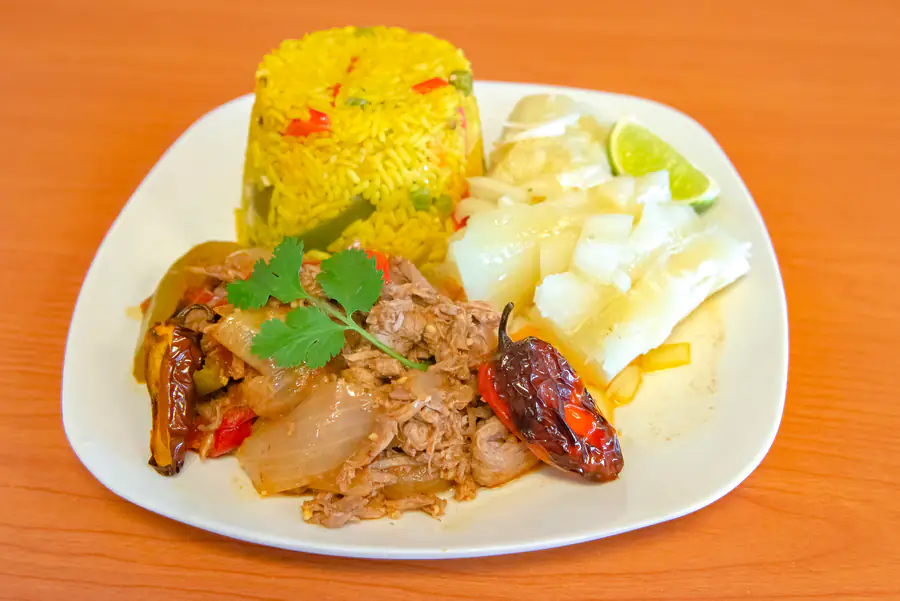
Anyone hunting for a great Cuban bakery Aurora CO experience runs into the same reality pretty quickly: Aurora has strong Latin food culture, but truly Cuban baking is still a niche within that broader scene. That is not a bad thing. It just means the smart way to explore is with a baker’s mindset rather than a checklist mentality. You look for technique, turnover, texture, and the kind of counter where locals order without pausing because they already know what is good that morning.
Aurora rewards that approach. The city is big, diverse, and full of small food businesses that do not always announce themselves with glossy branding or heavy online marketing. Some of the most satisfying bakery stops are the ones where the pastry case changes with the hour, the coffee is poured fast, and the person behind the counter can tell you which tray came out most recently. For foodies, that is half the appeal.
If you are expecting a dense strip of old-school Cuban bakeries on every corner, you may need to adjust your expectations. If, on the other hand, you care about flaky laminated dough, strong café-style coffee, guava and cheese done right, and savory pastries that hold up to a second cup of espresso, Aurora can still make for a very worthwhile search. The trick is knowing what counts as a genuine hit and what is just adjacent.
What makes a Cuban bakery worth the stop
A Cuban bakery earns its reputation on balance. Sweetness should never flatten the pastry. The dough needs structure, even when rich. Fillings should taste distinct, not just sugary or salty. And perhaps most important, the case should show signs of movement. Fresh turnover matters more in this style than people sometimes realize.
A good pastelito, for example, is not simply a vessel for guava paste. It should shatter lightly when you bite into it, then give way to warm fruit or cream cheese without turning greasy. The best versions feel delicate but not fragile. They leave a little sugar on your fingers and butter on your lips, yet the pastry itself still tastes baked rather than fried by residual fat.
Savory items tell you even more. Ham croquettes, meat pastries, or stuffed breads reveal whether the kitchen respects seasoning and texture. One common disappointment in mixed-style bakeries is that the sweet case gets all the attention while the savory side sits too long under heat lamps. In a strong Cuban-leaning bakery, the savory pieces move fast because regulars build full breakfasts around them.
Coffee is part of the assessment too. A bakery that understands Cuban habits usually treats coffee as central, not incidental. Even if the setup is simple, the espresso should taste deliberate. It should come out dark, concentrated, and lively enough to cut through the sweetness of the pastries. If the coffee tastes like an afterthought, the baking often does too.
Aurora’s bakery landscape favors explorers
Aurora is not a city where one famous institution settles the conversation. It is more of a mosaic. You find family-run panaderías, Latin American bakeries with mixed menus, neighborhood coffee counters, and small markets that sell baked goods alongside prepared foods. That can be frustrating for someone who wants a neat top-ten ranking. It is excellent for anyone who likes to eat with curiosity.
In practical terms, your best stops will often fall into three broad categories. First, there are bakeries with a clear Latin identity that may not be exclusively Cuban but still turn out items close enough in style or quality to matter. Second, there are cafés and counters where the pastry selection is smaller but fresher, often because the menu is tightly edited. Third, there are specialty spots outside the strict city boundary that locals reasonably include in an Aurora food day because the drive is short and the payoff is better.
That last point matters. Foodies in the Denver metro tend to think regionally, not municipally. If a standout bakery is fifteen or twenty minutes away, most regulars will still count it as part of the day’s route. For a cuisine as specific as Cuban baking, that flexibility makes the search much more productive.
The Havana Street advantage
If you want the best odds of success, start along Aurora’s major international food corridors, especially where Latin businesses cluster. Havana Street is often the first place people think of, and for good reason. The corridor gives you density. You can compare pastry cases, coffee quality, and morning traffic patterns without driving all over the city.
A busy bakery on a Saturday morning tells you things that online reviews never can. You can see which trays are being replenished, whether customers are leaving with boxes or a single snack, and how the staff handles special requests. In bakeries with strong local followings, people rarely ask broad questions like “What’s good?” They ask whether the guava pastries are fresh or whether more croquetas are coming out soon. That kind of shorthand is a useful signal.
One of the pleasures of browsing Aurora bakeries is that many of them reflect blended Latin tastes. That means you may walk in looking for Cuban pastries and come out with something Venezuelan, Colombian, or Mexican that fully deserves the detour. Purists may view that as mission drift. Experienced eaters know better. A bakery stop is successful when the product is excellent, the style is respected, and the kitchen shows consistency. Labels matter, but quality matters more.
How to judge the case in under two minutes
Most people overcomplicate bakery scouting. A few clues usually tell the story.
Look first at the pastry edges. Dry, darkened edges often mean the tray has sat too long. Then check the bottoms if you can. Soggy pastry bottoms are a warning sign, especially on fruit-filled items. Finally, watch the staff for thirty seconds. If they can answer quickly when something was baked, that is reassuring. If they seem unsure or vague, freshness may not be the strong point.
Temperature matters too. Not every pastry should be hot, but many should at least feel recently baked or properly stored. Room-temperature guava pastries can still be excellent. A warm savory item with a stale shell cannot. In my experience, a bakery’s weakest point often shows up in the things meant to be eaten quickly, right there with coffee. If those are lagging, the rest of the menu is rarely exceptional.
The display itself can be deceptive. A huge case is not automatically a virtue. In fact, some of the better stops keep a smaller front display and replenish in batches. That usually means less waste and fresher turnover. A moderate selection with strong movement beats a hundred tired pastries every time.
What to order if you only get one round
For a first visit, you want an order that tests the bakery without overwhelming your palate. A reliable mix looks like this:
- one guava pastry, ideally guava and cheese if available
- one savory pastry with meat or ham
- one croquette or similar fried snack
- one straight espresso or Cuban-style coffee drink
- one item the staff recommends as freshest that day
That combination tells you almost everything you need to know. The guava pastry shows restraint and dough quality. The savory piece shows seasoning and structural integrity. The croquette reveals frying technique. The coffee tests whether the bakery understands the full ritual. The staff recommendation gives the place a fair chance to show off what it does best on its own terms.
The sweet side, where Cuban baking can really shine
A lot of foodies focus on the iconic savory snacks first, but the sweeter half of Cuban-style baking deserves equal attention. The best versions are generous without being clumsy. Guava is a classic for a reason. It carries fragrance, tartness, and enough sweetness to work beautifully against cream cheese or buttery pastry. When done well, it tastes tropical and clean rather than jammy and heavy.
Coconut also deserves more respect than it often gets. In weaker bakeries, coconut pastries can be one-note and overly sweet. In stronger ones, you get toasted edges, real chew, and a little salinity that keeps the filling lively. Custard-based pastries can be superb too, especially when the bakery understands restraint. The filling should support the pastry, not flood it.
Texture is what separates a decent pastry from a destination pastry. A memorable Cuban pastry has contrast. Crisp outer layers, soft interior, concentrated filling. You should be able to taste butter or shortening in the dough, but neither should feel greasy. This style is https://privatebin.net/?a18a525be139c254#E3SkMnzzeQmk8ykFpCf26nGMEjUS9WsgUDNzpGP3uJfj indulgent, yes, but it still depends on precision.
Savory items separate the casual stop from the serious one
Savory pastry is where many bakery cases lose discipline. It is easier to hide a mediocre dough under sugar than under seasoned meat. That is why I often tell people to judge the bakery by its least glamorous item. A plain ham croquette or a simple meat pastry can say more than the prettiest fruit turnover in the building.
A good croquette should hold together without becoming dense. The interior should be creamy, the coating crisp, and the salt level high enough to wake up the palate but not flatten the filling. Meat pastries need particularly careful handling. If the filling is too wet, the shell collapses. Too dry, and the whole thing feels stingy. The sweet spot is a filling that binds to itself, carries spice or aromatics, and still lets the pastry stay crisp.
If you find a bakery that rotates savory items throughout the morning rather than loading everything out at once, pay attention. That usually signals an operation that understands demand, freshness, and product life. It also often means the regulars are coming in waves, another promising sign.
Coffee is not a side note
Bakery coffee often gets judged too gently. People are so happy to find a decent pastry that they forgive mediocre espresso. They should not. In Cuban bakery culture, coffee is integral. The pastry and coffee are built to meet each other.
You do not need a third-wave setup for this to work. In fact, highly acidic, precious espresso can clash with these pastries. What you want is focus, strength, and warmth. A short, sweet, bold coffee with enough backbone to hold its own against guava, cheese, or ham is the ideal pairing. When the coffee lands, the whole bakery feels more coherent.
If you are doing multiple stops, pace yourself. One mistake I see all the time is people ordering full milk-heavy drinks everywhere and burning out by the second shop. Smaller coffees are better for this style of exploration. They keep your palate sharper and let the pastries stay central.
Timing matters more than address
People love to ask which bakery is best, but the sharper question is when to go. Even a very good bakery can disappoint at the wrong hour. Freshness windows are real, especially in places that depend on morning traffic.
Here is the simplest way to improve your odds:
- go early enough to catch first or second tray production, usually morning rather than late afternoon
- ask what came out most recently instead of defaulting to the prettiest item
- avoid buying delicate pastries right before a long car ride, they lose texture fast
- if a place is slammed, order fewer items first, then go back for more if the quality is there
- on a return visit, try the same item again, consistency matters as much as first impressions
That last point is important. One great guava pastry proves potential. Three good ones across different days prove a bakery is worth recommending.
When Aurora itself comes up short
Being honest about the local scene is part of writing for serious eaters. Depending on the week, your strongest Cuban-style pastry may not come from a dedicated Cuban bakery in Aurora proper. It may come from a broader Latin bakery with one or two standout items, or from a nearby metro stop that locals pair with an Aurora food run. That is not a failure of the city. It is simply the current shape of the market.
Aurora has the customer base and cultural range to support deeper specialization, but bakery ecosystems build slowly. Rent, labor, ingredient costs, and foot traffic all shape what survives. Pastry operations are especially sensitive because they demand early hours, skilled prep, and a customer base willing to return often. A bakery can make beautiful food and still struggle if the neighborhood supports meals more reliably than pastries.
For the foodie, this creates an interesting challenge rather than a dead end. The best strategy is to treat Aurora as the anchor point of a broader Cuban bakery search. Start local. Reward the places doing honest work. Then widen the radius when you want a deeper bench of options.
The signs of a place locals actually trust
There is a specific energy to a bakery with genuine local loyalty. The staff moves briskly, but not frantically. Orders are repeated back with confidence. Regulars lean on shorthand. People buy for households, not just themselves. Boxes leave the shop with drinks balanced on top. That rhythm is hard to fake.
You also notice what is missing. There is usually less aimless browsing. Less posing for photos. Less hesitation at the register. Neighborhood bakeries that matter tend to operate on familiarity and repetition. Even first-time customers can feel it.
If you are serious about finding the best Cuban bakery Aurora CO experience, that atmosphere should matter to you almost as much as the pastry itself. Great bakery culture is communal. It depends on return customers, not one-time novelty traffic. The places worth your money are usually the places that serve their own neighborhoods well first.
A foodie’s way to build the perfect bakery morning
The ideal morning in Aurora starts with flexibility. Pick an area with several possible stops rather than staking everything on one destination. Arrive hungry, but not starving. Order selectively. Share if you can. Take notes mentally, not on your phone in the middle of the counter rush. You want to stay present enough to notice the details that matter.
There is also real value in talking to staff with a little specificity. Instead of asking, “What’s popular?” ask which pastry is best within the next half hour, or which savory item they would choose with coffee. Good staff answers often reveal the internal logic of the bakery. They point you toward freshness, not just best sellers.
I also recommend buying at least one item you did not plan on. The best bakery mornings have a little serendipity in them. Maybe it is a coconut pastry that looks better than expected. Maybe it is a tray of croquettes arriving while you wait. Maybe it is a simple roll or bread that turns out to be the sleeper hit of the day. Rigidity can make food exploration dull.
Why the search is worth the effort
Cuban baking is one of those food traditions that rewards close attention. At a glance, the pastry case can look straightforward: fruit, cheese, meat, coffee. Sit with it a little longer and you start to see the craft involved. Heat control, lamination, filling density, sugar balance, service speed, coffee timing. These are not flashy skills, but they are exacting ones.
Aurora is a good city for this kind of eating because it still asks something of the customer. You have to notice things. You have to compare. You have to return. The payoff is that your best bakery stop often feels discovered rather than delivered to you by an algorithm.
For foodies, that is the whole point. The best bakery is not always the one with the loudest reputation. Sometimes it is the one with a warm tray landing at the right time, a counterperson steering you toward the freshest batch, and a coffee strong enough to make the pastry snap into focus. In Aurora, those moments are there for people willing to look carefully.
Cuba Bakery & Café
15028 E Mississippi Ave, Aurora, CO 80012
+1 303-752-2822
FAQ About Cuban bakery Aurora CO
What are Cuban pastries called?
Many small Cuban pastries are called pastelitos. They can have sweet or savory fillings, such as guava, cheese, guava and cheese, or seasoned meat. Cuba Bakery & Café lists guava, cheese, guava-and-cheese and beef pastries on its menu. Ask the bakery about current availability and ingredients when ordering.
What are traditional Cuban pastries?
Common Cuban bakery choices include flaky pastelitos filled with guava, cheese or meat. Cuban bakeries may also offer empanadas, breads and desserts alongside coffee. Cuba Bakery & Café lists pastelitos, several empanada fillings, pan Cubano and desserts such as tres leches and bread pudding. Selection can vary, so confirm the day's choices with the bakery.
What makes Cuban bread different?
Cuban bread is known for its light interior and a thin crust that becomes crisp when toasted or pressed. Traditional recipes often use lard, although ingredients vary by baker. It is commonly served as buttered toast or used for Cuban sandwiches. Cuba Bakery & Café lists pan Cubano and tostada on its menu; ask staff about the ingredients in their bread if you have dietary restrictions.